|
脳回路構造学 Group of Neural Circuit 上川内研究室 |
 |
|---|
|
Nagoya University Graduate School of Science Division of Biological Science Group of Neural Circuit Furo, Chikusa Nagoya 464-8602 Aichi, Japan |
About Our ResearchRecent Publications■ Neuroanatomy-Based Systems Neurobiology in Fruit Flies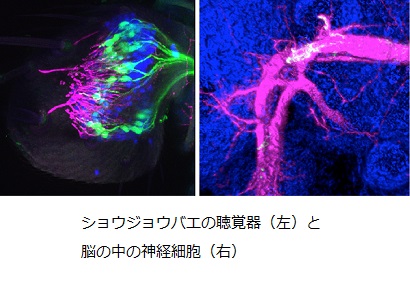 Hearing is an important sensory modality for most animals to detect sound as they mate, look for food, or fend off prey. We believe that the fruit fly, Drosophila melanogaster, is an ideal model organism for dissecting mechanisms underlying sound perception and evaluation in the brain, because of its small brain and a large variety of molecular and genetic tools available to visualize and manipulate neurons in a behaving animal. During courtship, fruit-fly males produce an acoustic signal, so-called the “love song”, which has a species-specific temporal pattern.
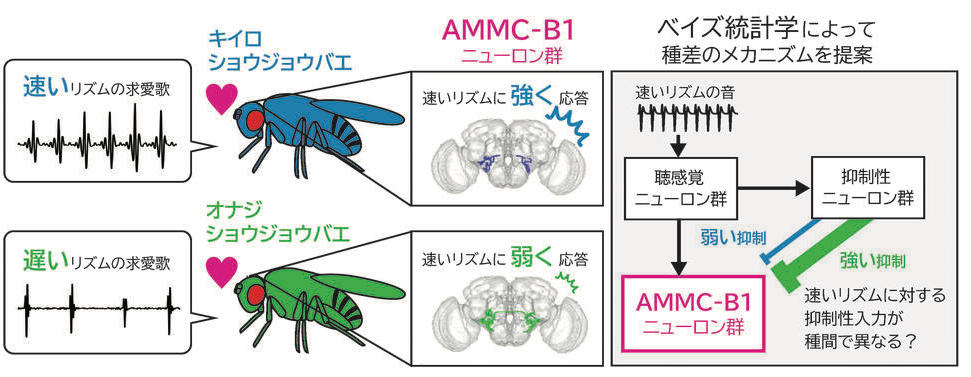
■ Neural Mechanisms for Discriminating Sound RhythmDiscriminating rhythmic patterns in sound is an essential ability for communication in many animals, including humans. Although fruit flies look nothing like us, they can detect the same subtle differences in sound rhythm that we can, relying on brain mechanisms that are conserved with our own. Our previous work showed that a specific neuron in the fly brain acts as a “brake,” finely tuning the responses of other neurons to prevent an excessive reaction to sound. By analyzing this mechanism further, we hope to shed light on the brain mechanisms underlying rhythm perception that may also be shared with human speech and voice recognition.
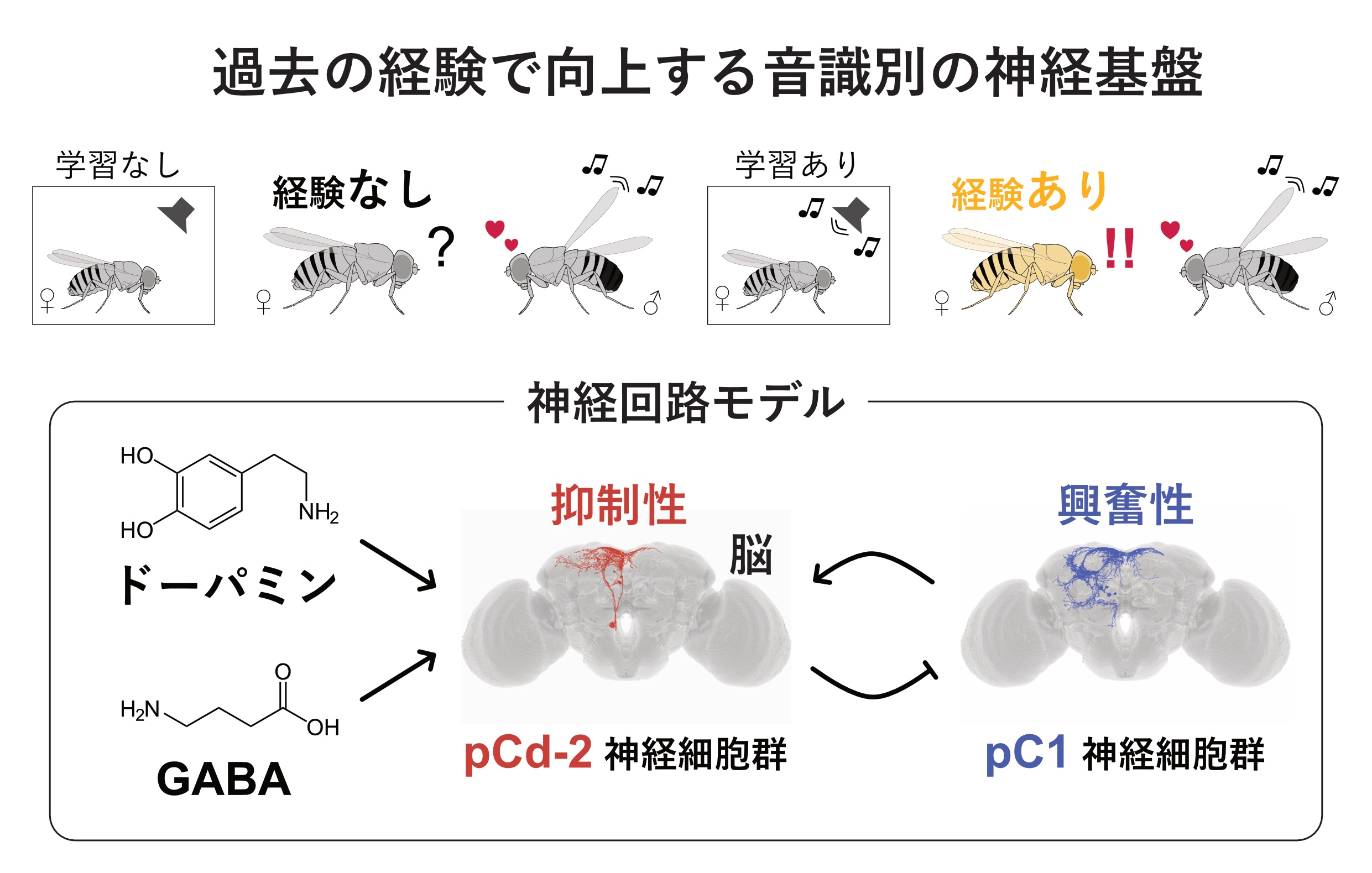
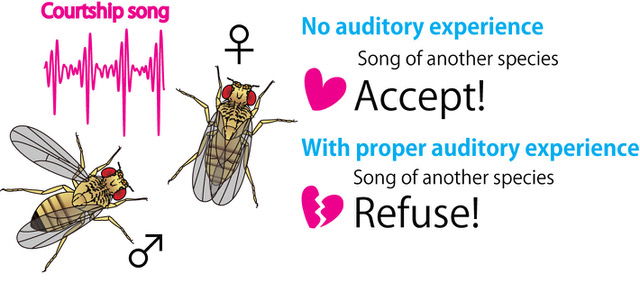
■ Learning Mechanisms for Acquiring Sound DiscriminationBirdsong learning and human language acquisition both rely on the coordinated action of an innate brain mechanism for discriminating sound patterns and an experience-dependent mechanism that matures through auditory experience in early life. We recently discovered that fruit flies learn to recognize the correct song in much the same way. Flies offer rapid access to experimental data and a rich toolkit of genetic manipulations, while sharing many neural mechanisms common across the animal kingdom. Taking advantage of these strengths, we are developing a new research strategy that uses the fruit fly – the simplest possible model system amenable to a wide range of experimental manipulations – to uncover the neural and molecular mechanisms underlying song learning. In fact, we recently identified part of the neural circuit that females require to learn their song preference, and found that GABAergic input from a specific set of neurons is essential for this learning to occur.
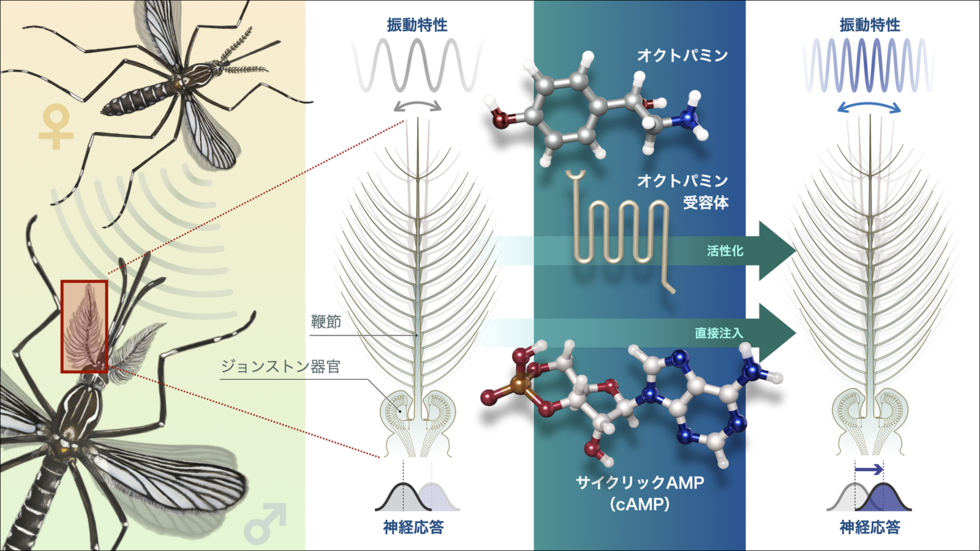
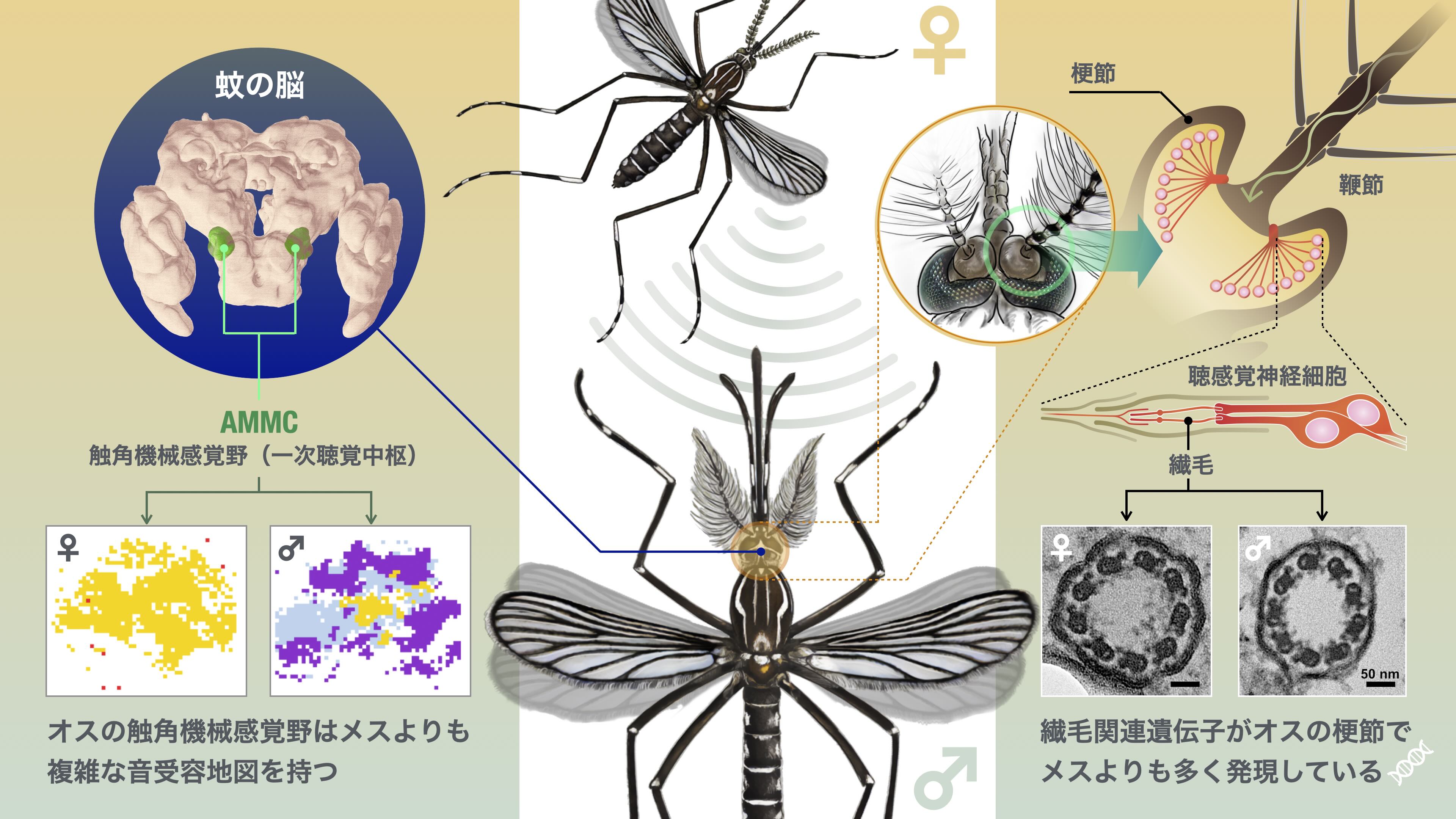
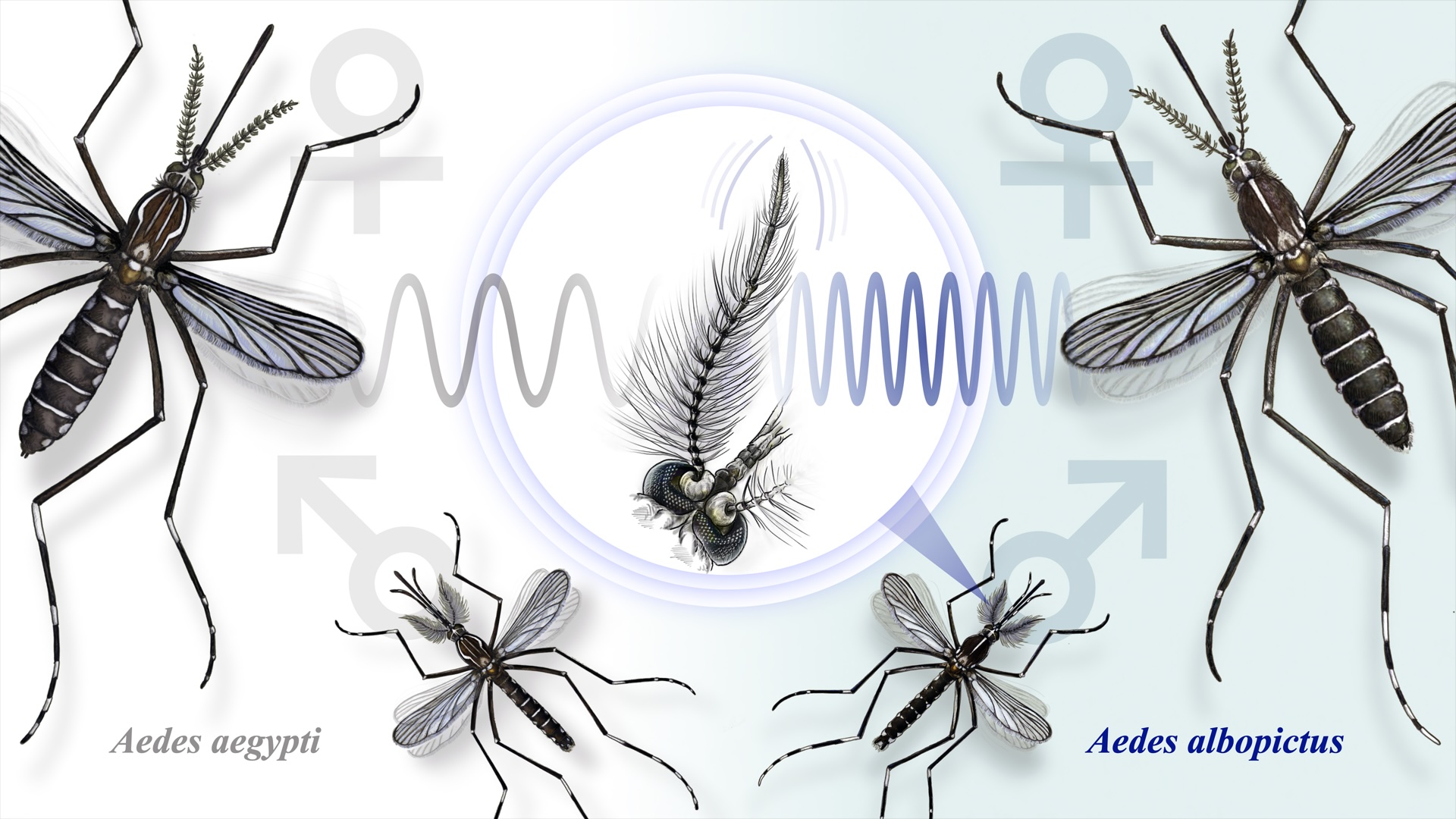
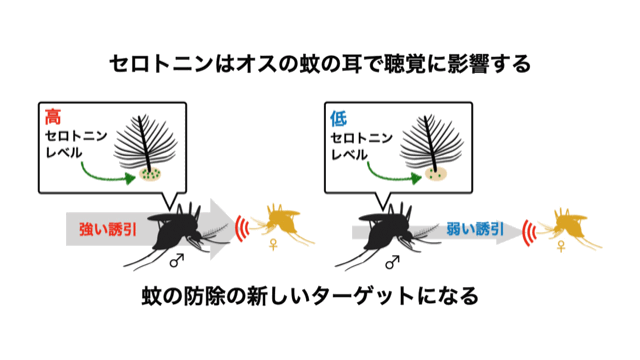
■ Elucidating and Applying the Neural Mechanisms that Control Mosquito Mating Behavior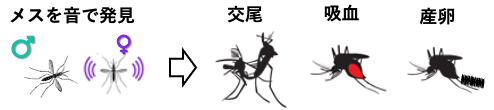 Hearing is also an important sensory modality for mosquitoes. Male mosquitoes exhibit positive phonotaxis when presented with acoustic stimuli mimicking the flight tone of conspecific females. It is not yet clear exactly how sound influences female behaviour, but many researchers have suggested that females use hearing to identify suitable males during mate selection. Many mosquito species mate within male-dominated, highly circadian groups known as swarms, which offer an innovative target for control measures. We use two closely related species, the Asian tiger mosquito Aedes albopictus and the yellow fever mosquito Aedes aegypti, to investigate how acoustic stimuli influence Aedes mosquito behaviour. Both species are vectors of dengue and Zika viruses, with over half the world’s population currently at risk of infection. We have shown that serotonin acts on the mosquito auditory nervous system, and have uncovered intracellular signaling pathways that support hearing function. We have also demonstrated that species-specific features of the male auditory system help prevent interbreeding between closely related species, and have succeeded in visualizing how the mosquito brain responds to sound. Improving our understanding of sound-mediated behaviours could facilitate the development of new mosquito control tools, such as acoustic lures or repellents, which interfere with mosquito reproduction and thus disease transmission. Finally, recent advancements in genome editing, such as the development of CRISPR-Cas9 methodologies, have greatly facilitated the generation of mosquito mutant lines. Using these techniques, we are able to investigate the underlying mechanisms of mosquito hearing by creating and testing the auditory function of hearing gene mutants. Identification of genes crucial to audition could highlight novel targets for next generation insecticides. ■ 2021 HFSP Research Grant: Decoding acoustic communication in mosquitoes Decoding acoustic communication in mosquitoes : From distortion products to vector control
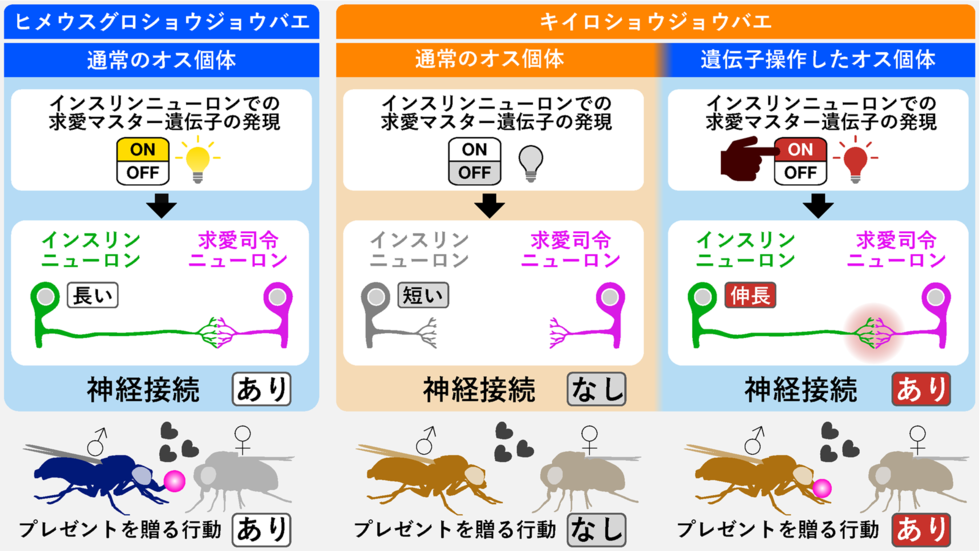
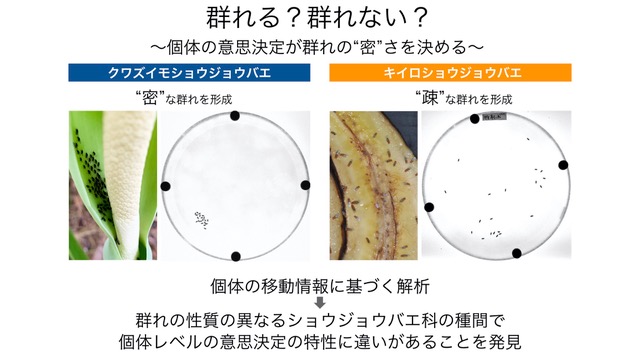
■ Identifying the Genetic and Neural-Circuit Changes that Drive Behavioral Evolution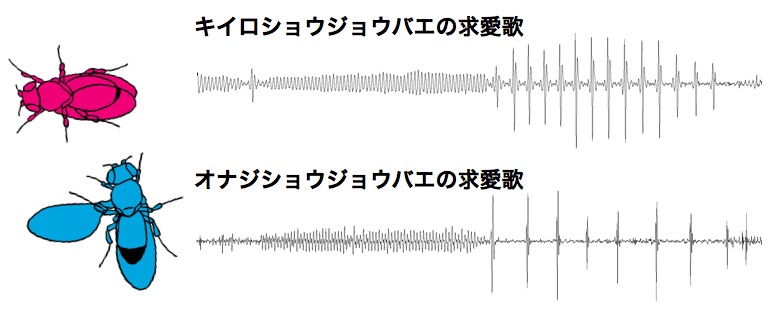 Animal behavior is plastic, yet it is also one of the most useful traits for characterizing a species or lineage. Because behavioral change often appears to precede morphological change over the course of evolution, behavior is thought to have evolved while interacting with – and at times leading – morphological change. Advances in evolutionary developmental biology (evo-devo) have gradually clarified the molecular mechanisms of morphological evolution, yet we still know very little about how new behaviors are acquired, or how species-specific behavior comes about. Behavior is governed by complex neural circuits, which are in turn shaped by complex gene networks. Given that each species (or lineage) shows a characteristic behavioral tendency, the evolution of behavior should ultimately be describable in terms of changes in neural circuits and the genomic changes that produce them. We are using the fruit fly Drosophila melanogaster and its close relatives – organisms of central importance to evolutionary biology – to compare the genes and neural circuits underlying behavior across species. Drawing on recently developed techniques for visualizing and activating/inactivating single neurons, we aim to reveal, at high resolution, what changes in neural circuits and genomes give rise to new behaviors. We have, in fact, revealed evolutionary changes in the neural circuits that underlie differences in courtship-song preference between two closely related fly species, as well as the decision-making mechanisms that generate species differences in swarm formation. We have also shown that manipulating a sex-determining gene can reproduce the courtship behavior characteristic of one species in another, demonstrating that a single genetic switch can give rise to species-specific behavior. Copyright (C) Kamikouchi laboratory All rights reserved.
|
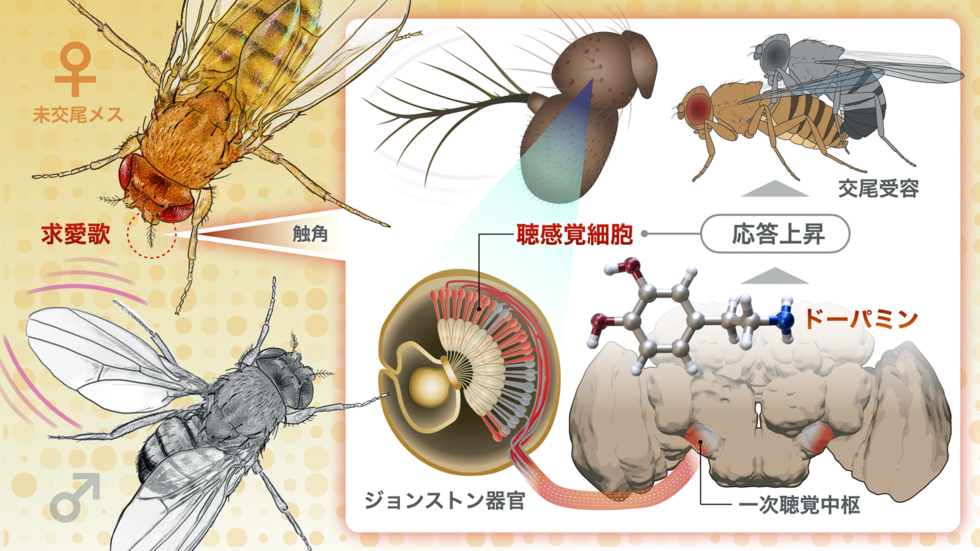
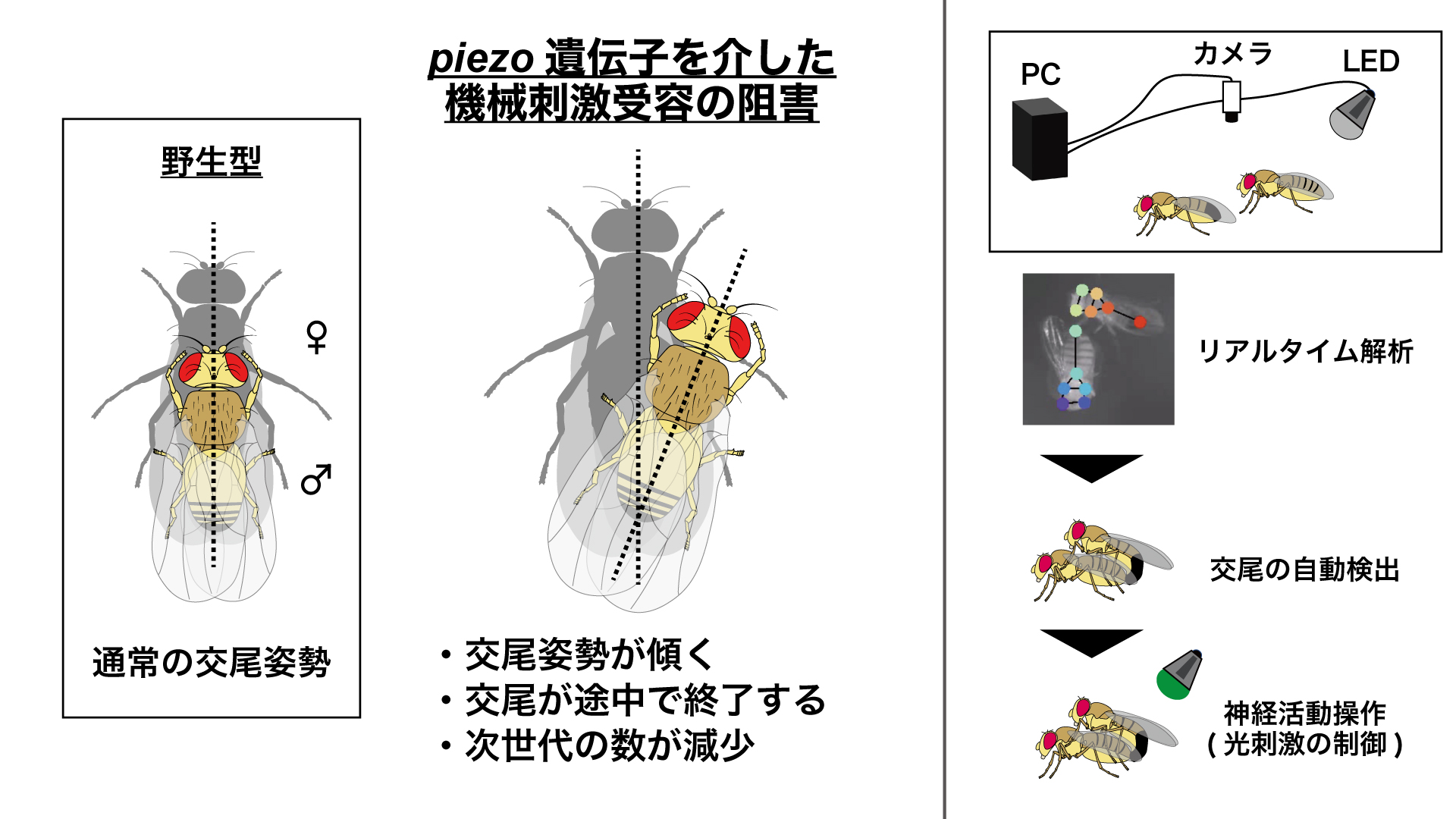
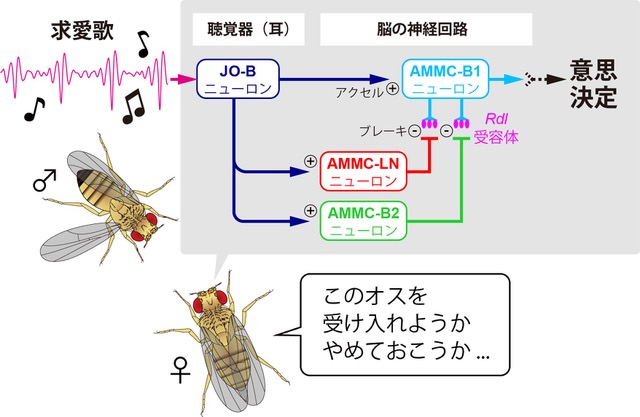
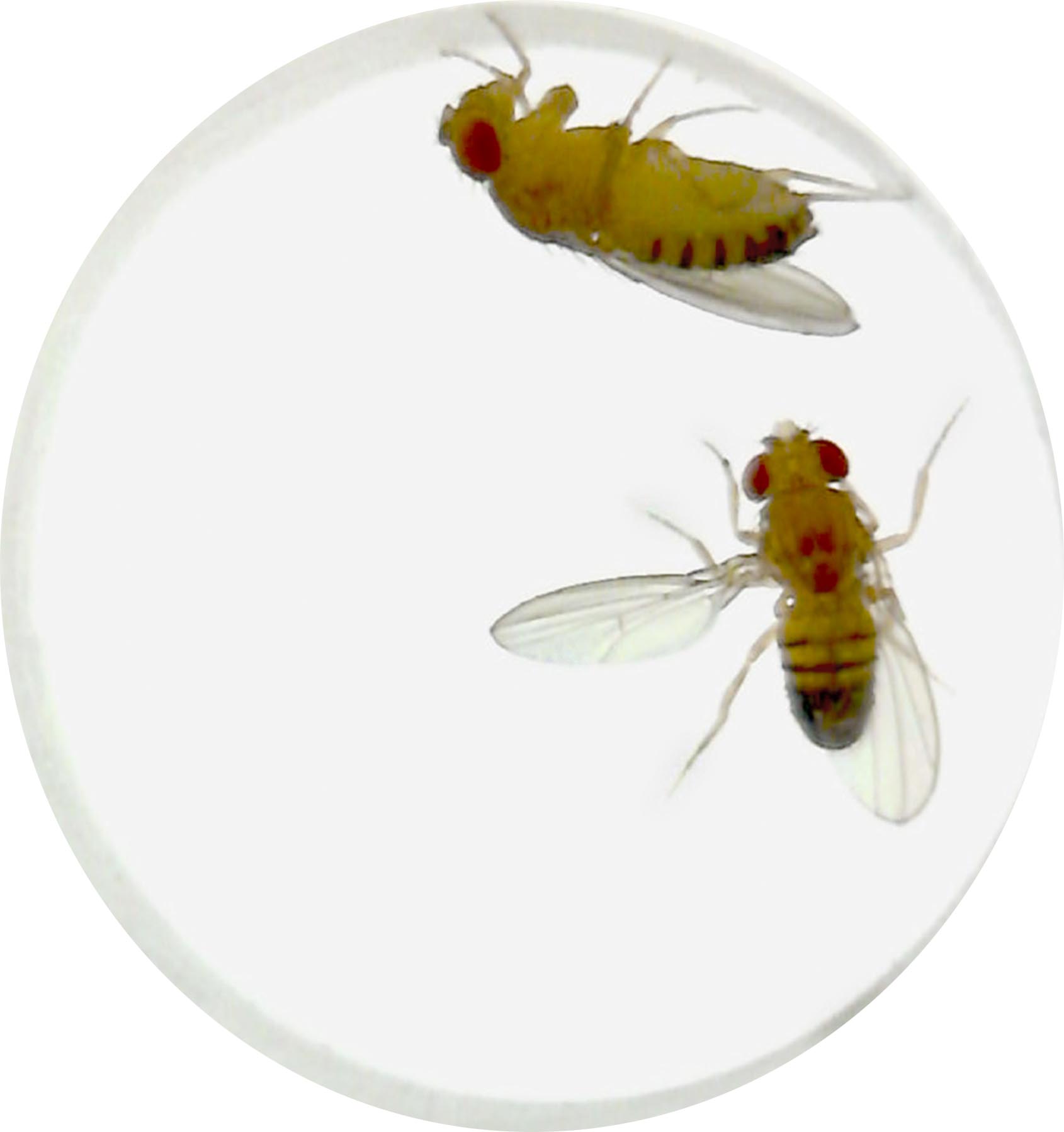 This means that flies can discriminate sound patterns in the brain. We are trying to understand the neural mechanism how flies discriminate these acoustic signals, by establishing the comprehensive anatomical and functional map of the auditory neural circuit in the brain. So far, we have identified the primary auditory neurons and their downstream neural circuits in the brain, and found that the circuits formed by second-order neurons share features with the mammalian, including human, auditory system – suggesting that our work in flies can also inform our understanding of our own hearing. We have started to image the activity of these neurons and also to manipulate their activity to find a causal relationship between neurons and behaviors. More recently, we found that dopamine enhances the sensitivity of auditory sensory neurons in unmated females that are motivated to mate, showing that this auditory circuit is not fixed, but can be flexibly tuned according to an animal’s internal state. We believe that our studies together are an essential path to understand the logic how the brain translates a given acoustic signal into meaningful information in a species-specific manner.